

Introduction
In today’s fast-evolving world, digital competence is essential for success in academics and careers. Recognizing this need, Digital Literacy Drive at PKR Arts College was launched to empower students with essential technological skills. The initiative aims to bridge the gap between traditional learning and modern digital demands, preparing students for a technology-driven future.
Building the Foundation for Digital Skills

The program focuses on enhancing students’ understanding of digital tools, software applications, and online resources. Moreover, faculty members integrate digital learning methods into their teaching practices. As a result, students gain hands-on experience with online research, presentation software, and data analysis tools.
In addition, training sessions cover key areas such as cybersecurity, digital ethics, and responsible online behavior. These workshops help students understand both the opportunities and challenges of the digital world. Therefore, they become more confident in navigating digital platforms safely and effectively.
Collaborative Workshops and Expert Sessions
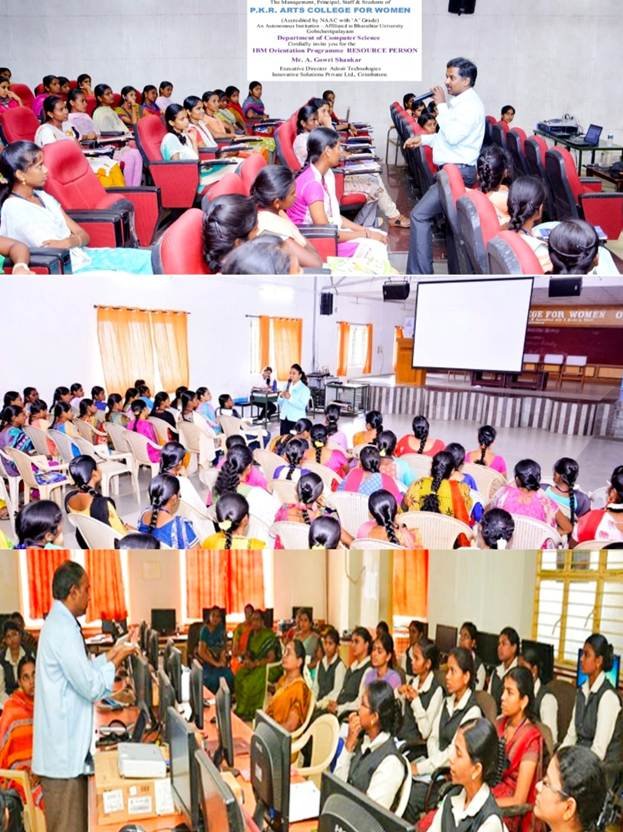
To make the Digital Literacy Drive at PKR Arts College more impactful, the institution collaborates with industry experts and technology trainers. Interactive workshops encourage students to explore coding, digital communication, and cloud-based productivity tools. For example, recent sessions introduced open-source software and AI-based applications relevant to various disciplines.
Furthermore, peer mentoring programs help learners strengthen their understanding through group projects. This collaborative learning environment not only boosts technical competence but also improves teamwork and problem-solving abilities. Consequently, students develop both digital and interpersonal skills essential for their future careers.
Integrating Technology into Academic Learning
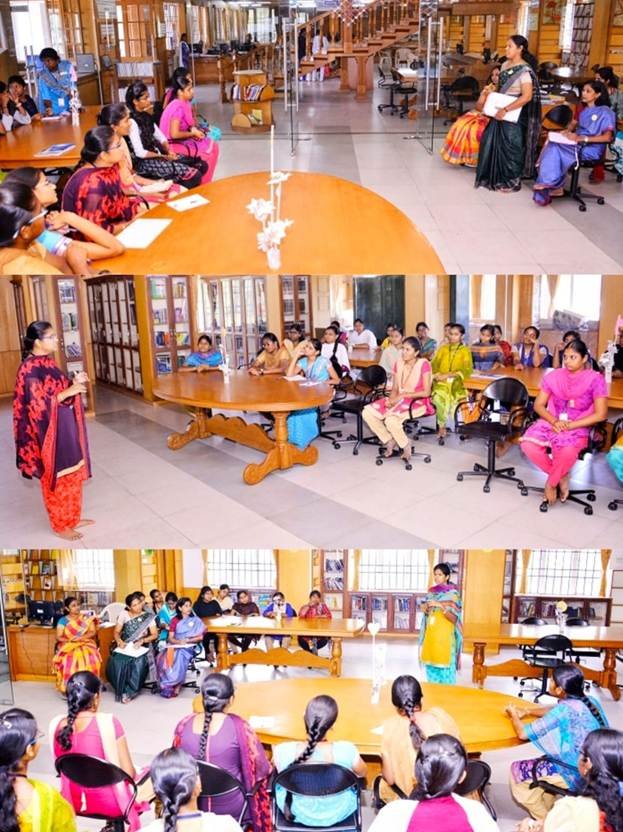
The drive emphasizes integrating technology into classroom practices. Teachers use digital platforms for assignments, feedback, and online discussions. As a result, students learn to engage with academic materials using modern learning management systems.
Moreover, digital literacy has transformed the way research is conducted. Students now access e-libraries, academic databases, and digital journals efficiently. This approach encourages independent learning and critical thinking. Therefore, the Digital Literacy Drive at PKR Arts College directly contributes to the institution’s goal of fostering self-reliant learners.
Measuring Impact and Future Plans
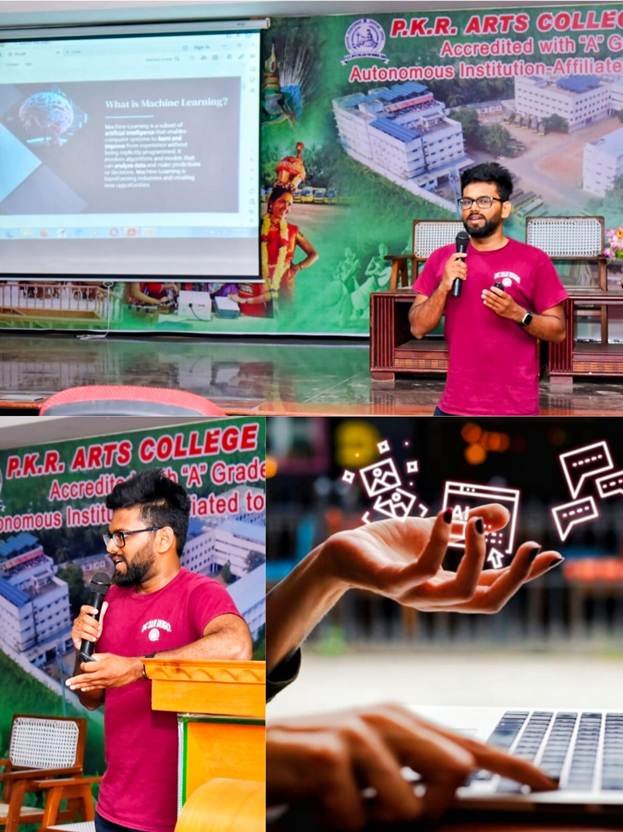
The success of the program is evident in students’ growing proficiency in digital tasks. Surveys show increased participation in online learning, digital projects, and e-competitions. Furthermore, the college plans to expand the initiative with advanced certifications and collaborations with technology firms.
Future goals include establishing a dedicated digital lab and integrating AI-driven learning tools. Therefore, the Digital Literacy Drive at PKR Arts College will continue to evolve, ensuring students remain at the forefront of digital transformation.
Conclusion
In conclusion, the Digital Literacy Drive at PKR Arts College stands as a model of how academic institutions can bridge the technology gap through proactive learning. By empowering students with digital confidence, the college prepares them for modern challenges and opportunities.
Ultimately, the initiative reinforces the institution’s mission educating for excellence, innovation, and inclusivity. With continued commitment, PKR Arts College moves closer to becoming a fully digital-ready campus that inspires lifelong learning.